You open your laptop to work. But somehow you’re scrolling Instagram. Then YouTube. Then “just one” short video. Suddenly it’s 11:47 PM. The task is still unfinished. And now you feel guilty, stressed, and annoyed at yourself.
Many people search for how to stop procrastinating because they feel stuck in a cycle of delay and regret.

Sound familiar?
Students delay assignments. Entrepreneurs delay launching ideas. Employees delay important reports. We all do it. The problem isn’t intelligence or ability. The problem is procrastination.
If you’re searching for how to stop procrastinating, you’re not alone. And the good news? This isn’t about becoming superhuman. It’s about understanding your brain and using simple strategies that work in real life.
If you want to overcome procrastination, you need more than motivation quotes. You need systems.
If you’re tired of trying to stop being lazy and blaming yourself, this guide will help you understand what’s actually happening—and how to fix it.
By the end of this article, you’ll have practical tools, daily routines, and a 7-day challenge you can start immediately.
Let’s break this cycle.
What Is Procrastination?
Procrastination is not laziness.
It’s emotional avoidance.That’s it.
Understanding what procrastination really is makes it much easier to learn how to stop procrastinating in a practical and realistic way.
Procrastination happens when you delay something important even though you know it will hurt you later. You choose short-term comfort over long-term benefit.
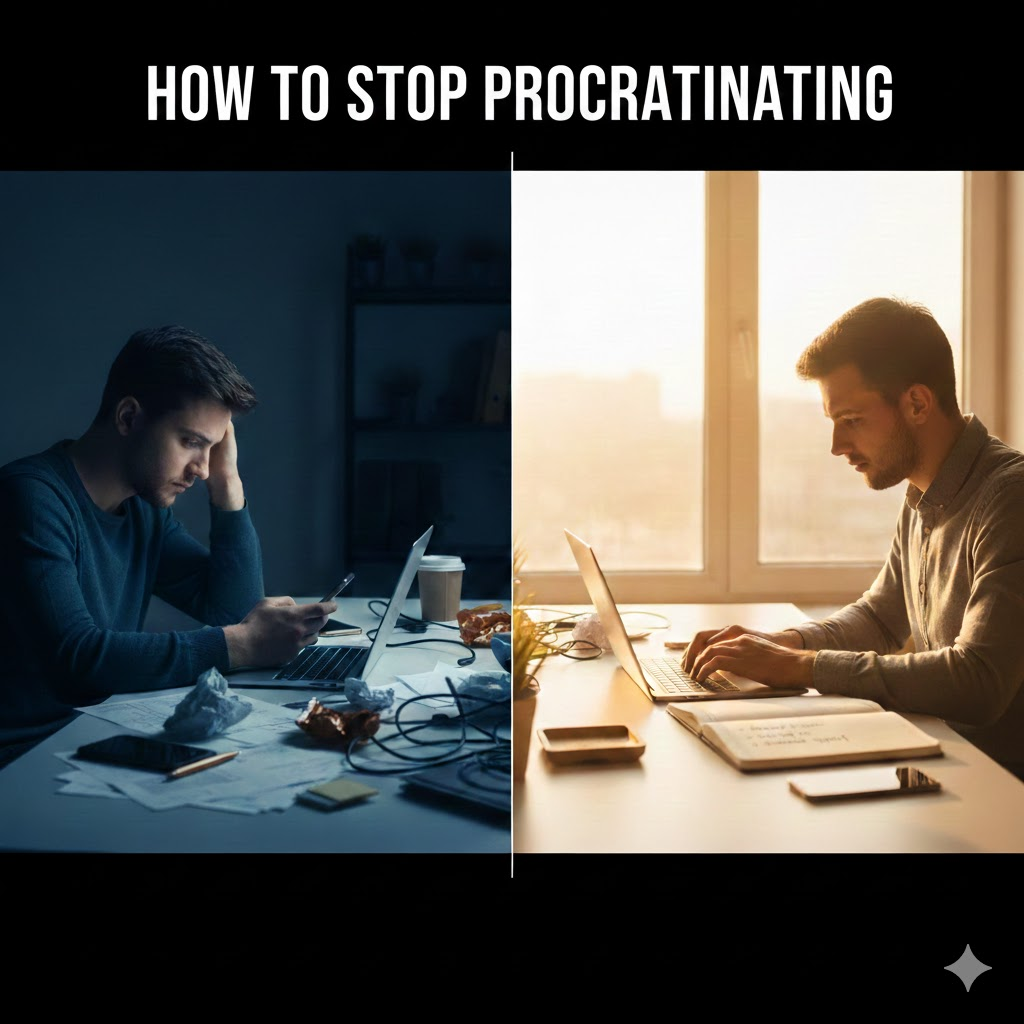
You scroll instead of studying.
You clean your desk instead of writing the proposal.
You research instead of launching.
Why? Because your brain wants relief.
Most people think procrastination means poor time management. It doesn’t. It’s poor emotion management. You avoid tasks that feel uncomfortable—boring, overwhelming, confusing, or scary.
Instant gratification makes this worse.
Your brain loves quick dopamine hits. Social media, food, entertainment—these are easy rewards. Deep work? That requires effort before reward.
Understanding why we procrastinate is the first step to change. Once you see it as emotional avoidance, you stop blaming yourself and start fixing the real problem.
And if you want to beat procrastination habits, you must learn how to handle discomfort instead of escaping it.
Let’s understand what’s really going on inside your head.
Why We Procrastinate
Your brain has two main systems:
- The emotional brain (fast, reactive, comfort-seeking)
- The logical brain (planning, future-focused, rational)
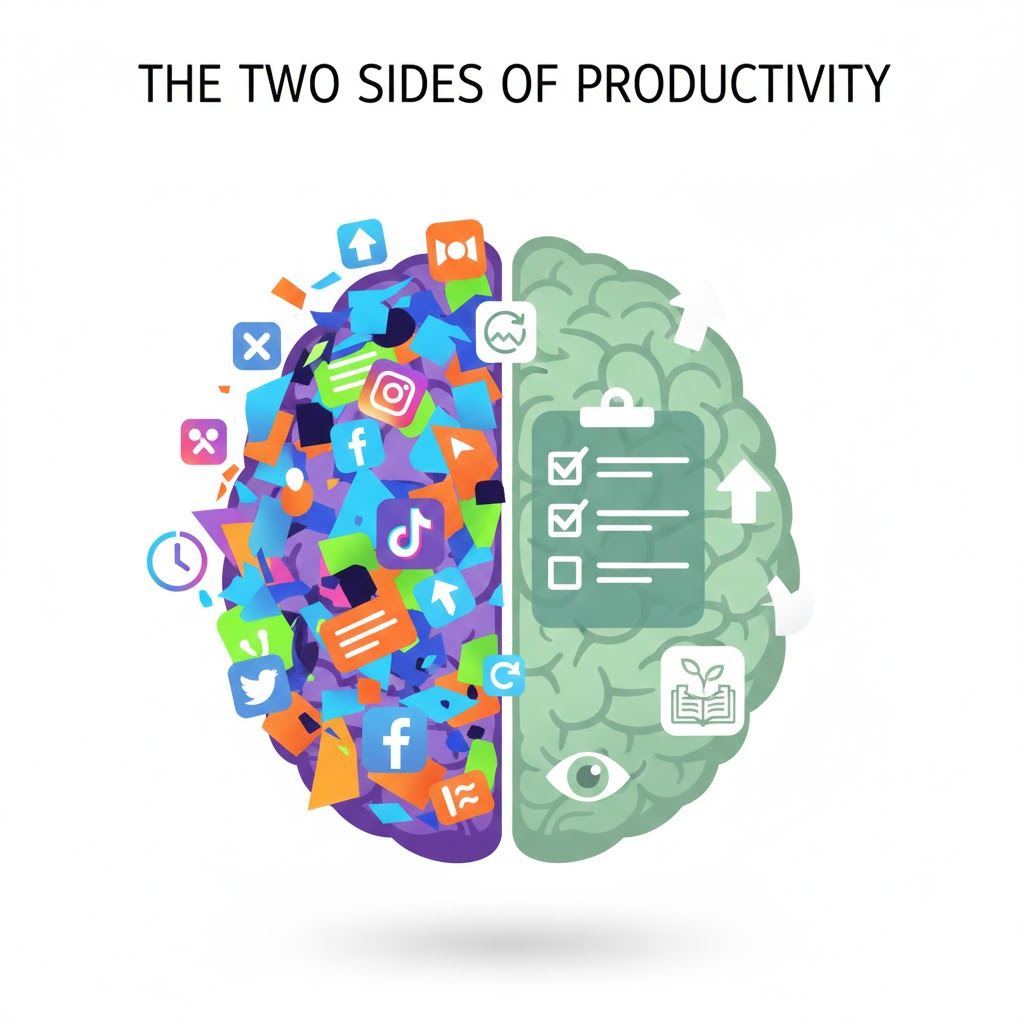
When you sit down to work, your logical brain says:
“This task matters.” But your emotional brain says: “This feels uncomfortable. Let’s avoid it.”
Most of the time, the emotional brain wins. Let’s break down the biggest reasons why we procrastinate.
Fear of Failure
Sometimes you delay because you’re scared.
What if it’s not good enough?
What if you fail?
What if people judge you?
So instead of trying and risking failure, you delay. It feels safer. But here’s the truth: procrastination doesn’t protect you from failure. It guarantees regret.
To overcome procrastination, you must accept imperfect action over perfect delay.
Perfectionism
Perfectionism sounds productive.
It’s not. If you think something must be perfect before you start, you’ll never begin.
You wait for the “right mood.”
The “right plan.”
The “perfect idea.”
Meanwhile, nothing moves. Perfectionism creates pressure. Pressure creates avoidance. One of the best productivity tips is this: done is better than perfect.
Overwhelm
When a task feels too big, your brain freezes.
“Write thesis” feels huge.
“Build business” feels massive.
So you do nothing. Overwhelm isn’t about difficulty. It’s about unclear next steps. Clarity reduces procrastination. Confusion increases it.
Lack of Clear Goals
If you don’t know what success looks like, you delay.
Vague goals create vague effort.
“I should work more.”
“I should study.”
“I should improve.”
That’s not clear.
Clear goals create action. Unclear goals create avoidance.
Distractions & Dopamine
Your phone is designed to steal your focus. Notifications trigger dopamine. Dopamine creates cravings. Cravings create distraction.
The emotional brain loves this. Every time you choose distraction, you strengthen the procrastination loop.
To overcome procrastination, you must design your environment, not just rely on willpower.
Now let’s move to the most important part: how to stop procrastinating in real life.
How to Stop Procrastinating: 15 Proven Strategies
These strategies are practical. No theory. Just action.
1. Use the 5-Minute Rule
Tell yourself: “I’ll just work for 5 minutes.”
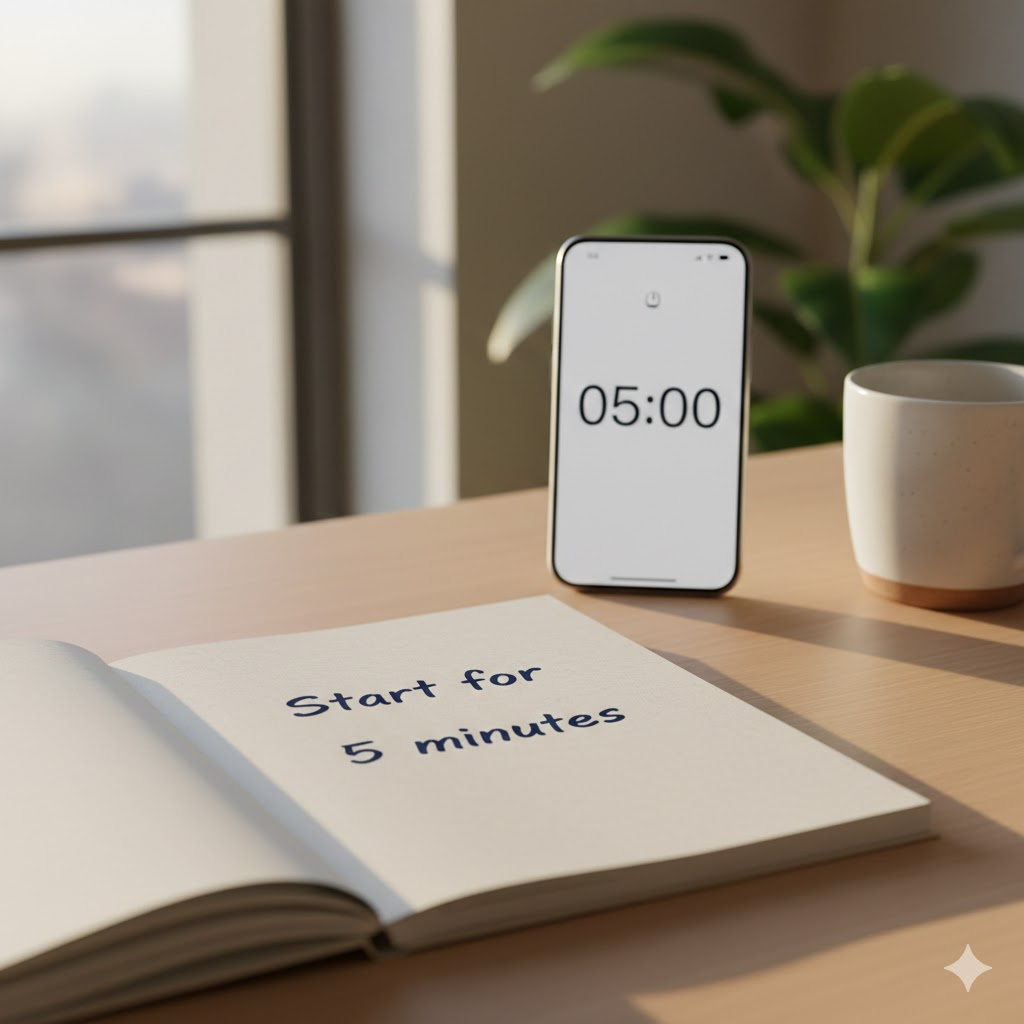
That’s it. If you’re serious about learning how to stop procrastinating, the 5-minute rule is one of the easiest places to begin.
Your brain resists starting, not doing. Once you begin, momentum builds.Most people continue past 5 minutes because starting removes emotional resistance.
This is one of the simplest ways to beat procrastination habits.
Start tiny. Win fast.
2. Break Tasks into Micro-Steps
Never write: “Finish project.”
Instead write:
- Open document
- Write headline
- Draft first paragraph
Micro-steps reduce overwhelm. They make action obvious.
If you want to know how to get things done, this is key: make the next step painfully clear.
Clarity kills delay.
3. Use the 2-Minute Rule
If something takes less than 2 minutes, do it immediately.
Reply to that email.
Send the file.
Clean the desk.
Small unfinished tasks drain mental energy. Clear them fast.
Momentum grows when you act quickly.
4. Remove Distractions
Put your phone in another room. Turn off notifications. Use website blockers if needed. Willpower is weak. Environment is powerful.
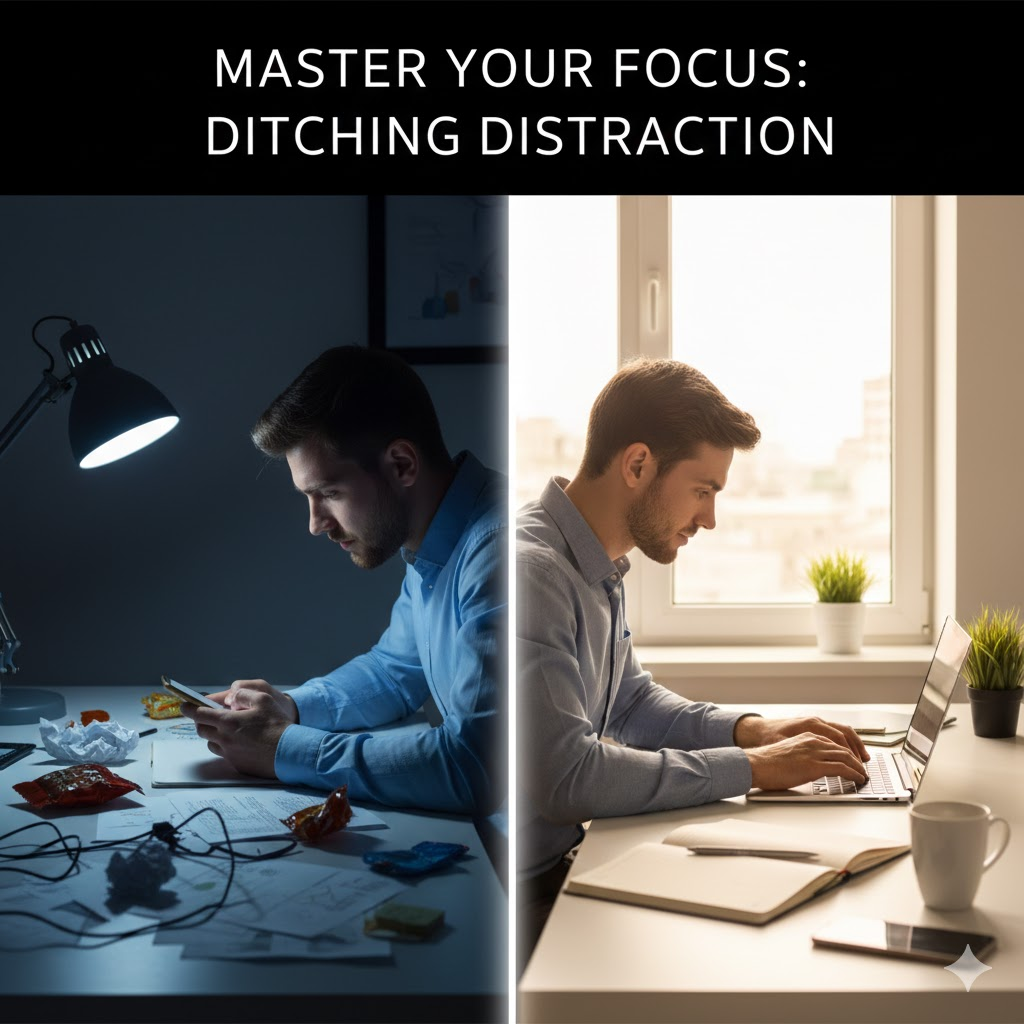
If you’re serious about productivity tips that work, design your surroundings to make focus easier than distraction.
5. Time Blocking
Instead of saying “I’ll work later,” schedule exact time blocks.
Example:
9:00–9:30 AM: Write proposal
9:30–10:00 AM: Research
Specific time reduces decision fatigue. When it’s time to work, you don’t think. You execute.
6. Create Deadlines
Parkinson’s Law says work expands to fill the time available.
If you give yourself 7 days, you’ll use 7 days.
Shorten deadlines.
Create artificial urgency.
Pressure—when controlled—improves focus.
7. Focus on Systems, Not Motivation
Motivation is unreliable.
Some days you’ll feel inspired. Most days you won’t.
Systems remove emotion.
For example:
- Work every day at 8 AM.
- Study 1 hour before dinner.
- Gym immediately after work.
Routine beats mood.
If you want to overcome procrastination long term, build systems.
8. Start Before You Feel Ready
You will never feel fully ready.
Start messy.
Start confused.
Start unsure.
Clarity comes from action—not thinking.
Waiting creates anxiety. Action reduces it.
9. Reduce Perfectionism
Give yourself permission to create bad first drafts.
Your first attempt should be ugly.
That’s normal.
Perfection comes from editing, not from overthinking.
This is one of the most powerful ways to stop being lazy and actually move forward.
10. Reward Small Wins
Your brain needs reward.
After completing a focused session, take a short break.
Celebrate small progress.
This builds positive association with work.
Without reward, discipline feels like punishment.
11. Change Your Environment
Your bedroom might not be ideal for deep work.

Try:
- Library
- Café
- Different desk
- Different time of day
New environments break old habits.
Environment change is underrated when trying to beat procrastination habits.
12. Track Your Progress
What gets measured improves.
Use a simple tracker:
- Hours worked
- Tasks completed
- Days consistent
Seeing progress motivates you more than motivational quotes.
Tracking turns effort into visible proof. People who master how to stop procrastinating don’t rely on motivation — they build repeatable systems.
13. Build an Accountability System
Tell someone your goal. When you make a public commitment, your chances of following through increase dramatically. You don’t have to announce it to the world—start simple. Share it with a trusted friend, join a study group, or post weekly progress updates online.
When other people know what you’re working toward, it adds a layer of responsibility. Accountability creates healthy external pressure, and sometimes that small push from outside is exactly what we need to stay consistent.
This simple structure works because it removes decision fatigue — which is a major key in how to stop procrastinating consistently.
14. Use the “Eat the Frog” Method
Do the hardest task first. Morning energy is strongest. If you finish the hardest task early, the rest of the day feels lighter.
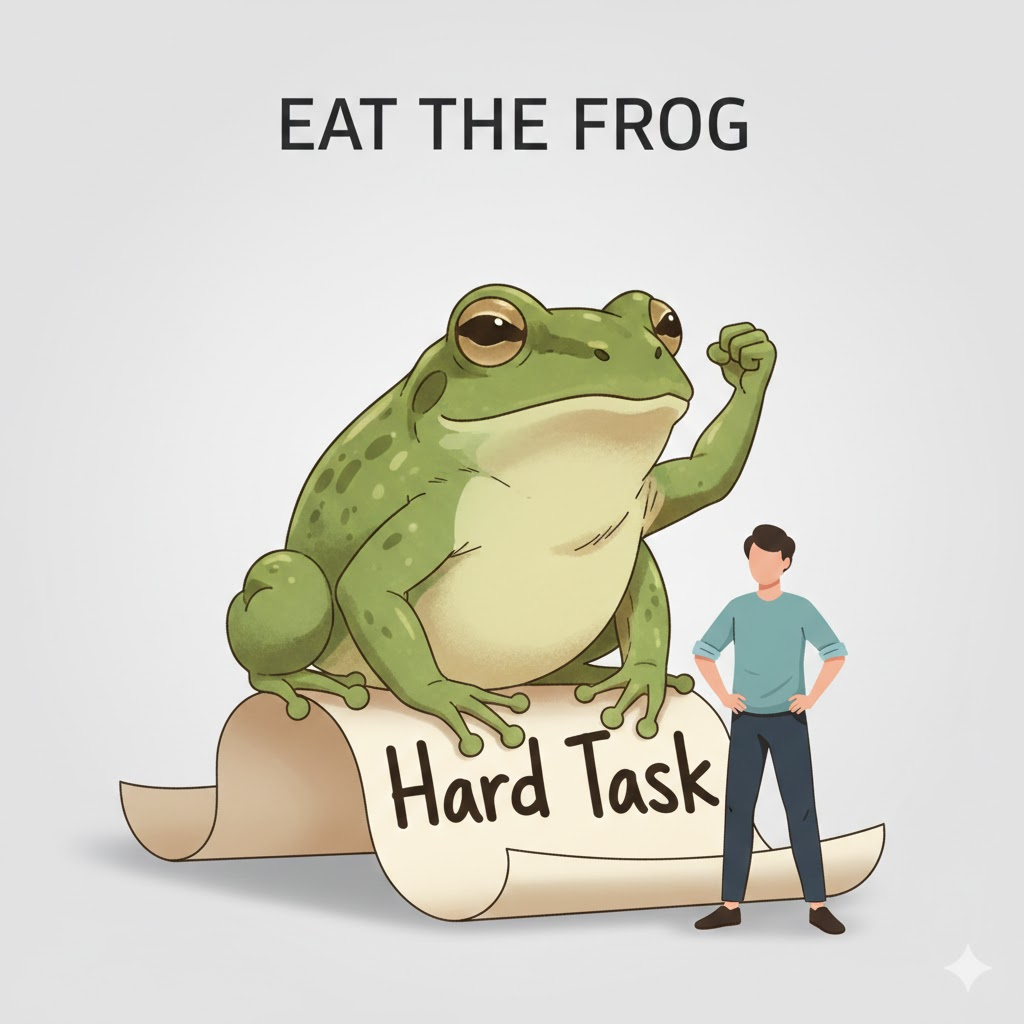
This method is simple but powerful for anyone learning how to get things done consistently.
This challenge is designed to help you practice how to stop procrastinating through small daily wins.
15. Forgive Yourself Quickly
You will slip. Everyone does. The difference between successful people and those who stay stuck isn’t perfection — it’s how quickly they recover. They don’t waste time drowning in regret.
They reset fast. Instead of saying, “I failed again,” they say, “I start again now.” That simple shift changes everything. Guilt only keeps you trapped in procrastination, but self-forgiveness puts you back in motion.
A Simple Daily System to Help You Learn How to Stop Procrastinating
A Simple Daily Anti-Procrastination Routine
You don’t need a complicated system.
Try this:
Step 1: Plan 3 Important Tasks
Not 15. Just 3.
These are your must-win tasks.
Step 2: Start with the Hardest One
Use the Eat the Frog method.
Work in 25-minute sessions (Pomodoro technique). After each session, take a 5-minute break.
Repeat.
Step 3: Limit Distractions
Phone away. Notifications off. Create a focus ritual—same place, same time.
Step 4: Review at Night
Ask yourself:
- What did I complete?
- What slowed me down?
- What’s tomorrow’s top 3?
Reflection strengthens discipline. If you apply this routine daily, you’ll naturally overcome procrastination over time.
For more structured planning ideas, check our guide on [Internal Link: Daily Productivity Systems].
7-Day Anti-Procrastination Challenge
Ready for action?
Day 1: Identify One Major Delayed Task
Write it down. Be specific.
Day 2: Break It into Micro-Steps
Make the first step extremely small.
Day 3: Use the 5-Minute Rule
Start. Just 5 minutes.
Day 4: Remove One Major Distraction
Delete one app or block one website.
Day 5: Time Block 1 Hour
Protect it like an appointment.
Day 6: Tell Someone Your Goal
Create accountability.
Day 7: Reflect and Adjust
What worked? What didn’t?
Repeat next week with a new focus.
Small consistent wins beat big inconsistent effort. This challenge is designed to help you practice how to stop procrastinating through small daily wins.
Common Myths About Procrastination
“I Work Better Under Pressure”
No.
You work faster under pressure—not better. Quality improves with calm focus, not panic.
“I Just Need Motivation”
Motivation comes after action. Discipline creates motivation—not the other way around.
“I’m Just Lazy”
Laziness is rarely the problem. Most procrastination comes from fear, overwhelm, or lack of clarity.
Stop labeling yourself. Start changing systems.
FAQ Section
Why do I procrastinate even when I want to succeed?
Because desire isn’t enough.
Your emotional brain seeks comfort. If the task feels stressful, you avoid it—even if you care about the outcome.
Learning emotional regulation helps overcome procrastination more than pure ambition.
Is procrastination a mental illness?
Not usually.
It’s a behavioral pattern.
However, chronic procrastination can be linked to anxiety, ADHD, or depression. If it severely affects your life, consider professional help.
How can I finally learn how to stop procrastinating for good?
To learn how to stop procrastinating for good, build simple daily systems instead of waiting for motivation. Small consistent actions and quick resets when you slip create lasting change.
What is the fastest way to learn how to stop procrastinating?
The fastest way to learn how to stop procrastinating is to start immediately using the 5-minute rule. Action reduces resistance faster than planning or overthinking.
How do I stop procrastinating immediately?
Use the 5-minute rule.
Right now. Pick one task. Work for 5 minutes. Starting is the fastest way to break resistance.
How long does it take to overcome procrastination?
Habits typically take weeks to reshape. But improvement can start today. Consistency matters more than speed.
Conclusion
Procrastination doesn’t mean you’re lazy.
It means you’re human.
Your brain seeks comfort. But growth requires discomfort. If you’ve been searching for how to stop procrastinating, remember this:
You don’t need more motivation.
- You need smaller steps.
- Clear systems.
- Immediate action.
ALways Remember:
- Action creates confidence.
- Confidence creates momentum.
- Momentum creates discipline.
Start small, even if it feels insignificant. Start messy, even if it’s imperfect. Start today, not tomorrow, not “when you feel ready.” Five minutes is enough to break the silence of inaction and create momentum.
And once you begin, you’ll realize something powerful — you were never incapable or lacking discipline. You were simply stuck in hesitation, waiting for the perfect moment to move. The truth is, progress doesn’t require perfection; it only requires motion.
If you’ve been searching for how to stop procrastinating, remember that change doesn’t require perfection. It requires consistent action.
Related Posts:
- Motivation vs Discipline: The Ultimate Guide to Why Motivation Fails
- How to Make Discipline in Life: 7 Practical Habits to Transform Your Day and Boost Productivity
- Why Self-Discipline is Important in Our Life: 7 Powerful Reasons You Can’t Ignore
- How to Be Focused in Life: Stop Distractions and Skyrocket Productivity
Pingback: Motivation vs Discipline: The Ultimate Guide to Why Motivation Fails
Pingback: How to Make Discipline in Life: 7 Practical Habits to Transform Your Life
Pingback: Why Self-Discipline is Important in Our Life: 7 Powerful Reasons You Can’t Ignore