Discipline is the bridge between goals and accomplishment. Yet, for many of us, it feels like a fleeting concept—something we admire in others but struggle to practice ourselves.
Consider the story of Rohan, a young professional who dreamed of writing a book. He spent months planning, buying journals, and reading about successful authors. But when it came time to write consistently, he found excuses— “I’m too tired,” or “I’ll start tomorrow.” Weeks turned into months, and the manuscript remained untouched. The lack of discipline not only stalled his dream but also made him feel frustrated and inadequate.
Stories like Rohan’s are more common than we think. Discipline is not about being perfect; it’s about taking consistent, small steps toward your goals. But why is it so hard for most people? Human nature is wired for comfort and instant gratification. The brain often favors short-term pleasures over long-term benefits, which is why we procrastinate, skip workouts, or fail to stick to budgets. According to research, only about 8% of people successfully achieve their New Year’s resolutions, and studies show that nearly 50% of our daily actions are habitual rather than conscious choices. This indicates that our habits, or lack thereof, have a massive impact on our productivity and success.
Building discipline requires self-awareness, deliberate practice, and practical strategies. It’s not about self-punishment; it’s about creating a framework that makes good habits automatic and minimizes distractions. In this post, we will explore what discipline truly is, why it matters, and 7 practical habits that can help you cultivate a disciplined life.

What is Discipline and Why It Matters
Discipline is more than just willpower—it’s the ability to control your impulses, manage your emotions, and stay committed to your goals even when motivation fades. It plays a vital role in every aspect of life, from personal development to career growth, relationships, and finances.
Discipline manifests in several forms:
- Mental Discipline: Focusing your mind, avoiding distractions, and training your brain to work consistently. For example, Elon Musk reportedly schedules his day in five-minute blocks to maximize productivity, demonstrating extreme mental discipline. A lack of mental discipline often leads to procrastination, unfinished projects, and scattered thoughts.
- Emotional Discipline: Managing emotions, controlling impulses, and responding rather than reacting. Oprah Winfrey has often credited her success to emotional resilience—staying composed during setbacks and making thoughtful decisions. Without emotional discipline, people tend to overreact, make impulsive choices, and damage relationships.
- Financial Discipline: Managing money wisely, saving, investing, and avoiding unnecessary expenditures. Warren Buffett is a prime example of financial discipline, consistently investing strategically and living below his means. A lack of financial discipline can result in debt, stress, and missed opportunities for wealth building.
Discipline is the backbone of success because it allows you to align actions with long-term objectives. Without it, even the most talented individuals struggle to realize their potential. Lack of discipline can lead to inconsistent performance, poor health, strained relationships, and financial instability. On the other hand, disciplined individuals often report higher productivity, better stress management, and a stronger sense of control over their lives.

How To Make Discipline in Life: 7 Practical Habits
1. Start Your Day with a Morning Routine
A structured morning routine sets the tone for the entire day. Begin with simple actions like making your bed, drinking water, and writing a short journal entry. Benjamin Franklin famously practiced early rising and a set morning schedule, which he credited for his productivity. By automating positive behaviors first thing in the morning, you reduce decision fatigue and cultivate mental clarity.
Actionable tips:
- Wake up at the same time daily.
- Include 5–10 minutes of meditation or deep breathing.
- Plan your top three tasks for the day.
- Use apps like Todoist or Notion to outline your daily tasks.

2. Break Goals into Small Tasks
Large goals often feel overwhelming, which leads to procrastination. Break your objectives into smaller, actionable steps. For instance, if your goal is to write a book, start with 300 words a day instead of aiming for a chapter. Small wins create momentum and make discipline sustainable.
Mini-story: Priya, a student struggling with her thesis, divided her work into 30-minute focused sessions. Each small task completed gave her a sense of achievement and kept her consistent.
Actionable tips:
- Use the Pomodoro Technique: 25 minutes of focused work followed by a 5-minute break.
- Track progress using Trello or Asana.
- Celebrate small wins to reinforce the habit.
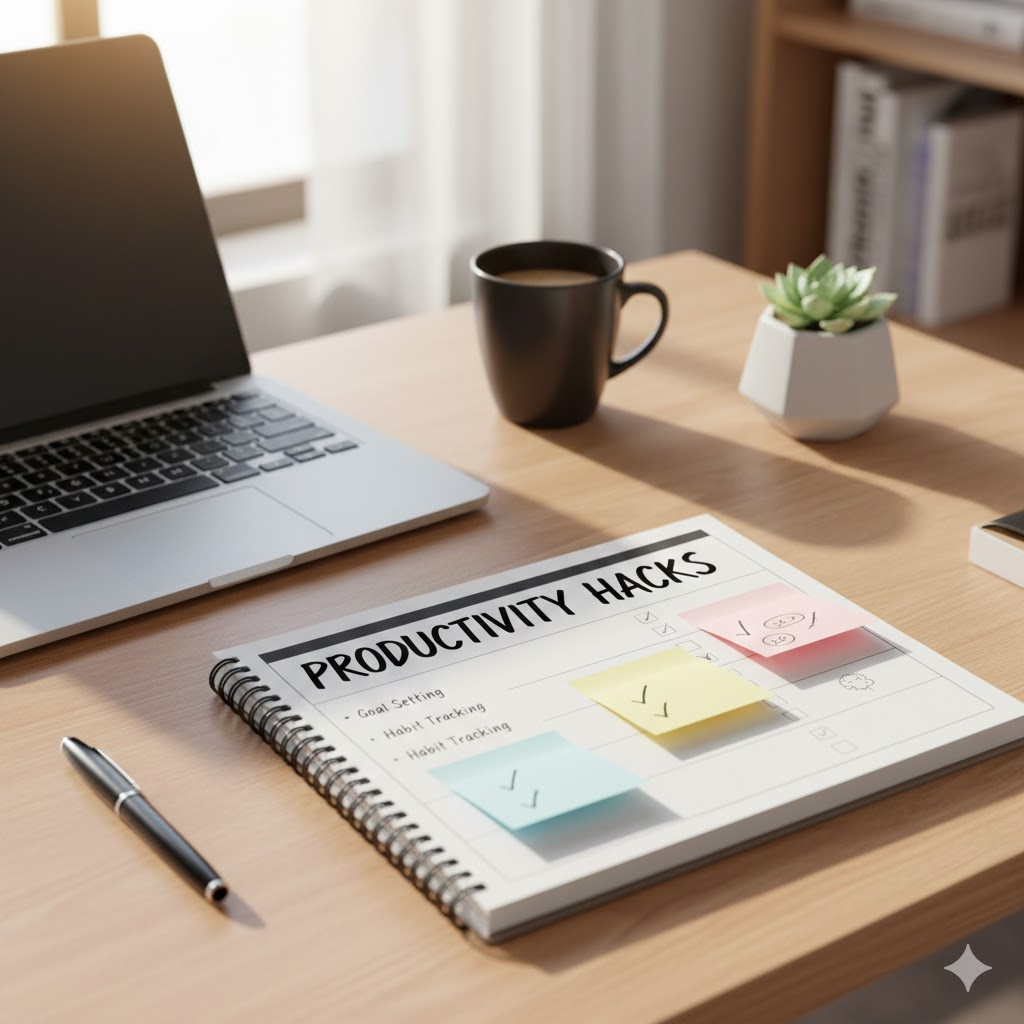
3. Practice Self-Control in Daily Decisions
Discipline often comes down to controlling impulses. Start with simple choices like resisting snacks, avoiding social media, or sticking to a workout schedule. Each small act strengthens your self-control “muscle.”
Example: Warren Buffett famously avoids unnecessary spending and evaluates every purchase carefully, demonstrating disciplined financial and personal decision-making.
Actionable tips:
- Pause before making impulsive choices.
- Use apps like Forest to stay off your phone.
- Gradually increase the difficulty of self-control challenges.

4. Create a Consistent Exercise Routine
Physical discipline reinforces mental and emotional discipline. Regular exercise improves focus, mood, and energy, making it easier to stay disciplined in other areas of life. Even a 20-minute daily walk can produce noticeable benefits.
Mini-story: A software developer, struggled with deadlines until he committed to morning jogging. He noticed his productivity soared and stress levels dropped.
Actionable tips:
- Schedule workouts like appointments.
- Mix cardio, strength, and flexibility exercises.
- Track progress with apps like MyFitnessPal or Strava.

5. Limit Distractions and Manage Time
Discipline is easier when the environment supports it. Turn off notifications, organize your workspace, and schedule focus blocks. Studies show that multitasking can reduce productivity by up to 40%, highlighting the importance of focused work.
Actionable tips:
- Use Focus@Will or Pomofocus for concentration.
- Block distracting websites with Freedom or Cold Turkey.
- Allocate specific times for emails and messages instead of constant checking.

6. Practice Mindfulness and Reflection
Self-awareness is crucial for discipline. Spend a few minutes each day reflecting on what went well and what needs improvement. Mindfulness practices increase emotional regulation and prevent reactive decisions.
Mini-story: Rachel, a manager, journaled for 10 minutes daily. Over months, she noticed patterns in her procrastination and adjusted routines, improving overall productivity.
Actionable tips:
- Keep a journal or use apps like Daylio.
- Practice 5–10 minutes of meditation using Headspace or Calm.
- Review weekly goals and adjust strategies accordingly.

7. Prioritize Sleep and Recovery
Discipline isn’t about relentless effort; rest is essential. Sleep deprivation reduces willpower, cognitive function, and emotional stability. Maintaining a sleep schedule reinforces other disciplined behaviors.
Actionable tips:
- Aim for 7–8 hours of sleep.
- Set a consistent bedtime and wake-up time.
- Avoid screens 30–60 minutes before bed.
- Track sleep quality with Sleep Cycle or Fitbit.

Additional Tips for Maintaining Discipline
- Set Clear Goals: Vague goals lead to vague results. Clearly define objectives with measurable outcomes. For example, instead of “exercise more,” aim for “run 3 km every morning.”
- Use Accountability: Share goals with a friend, coach, or online community. Being answerable to someone increases consistency.
- Embrace Mindset and Self-Awareness: Understand your triggers, temptations, and patterns. Self-reflection allows you to anticipate challenges and reinforce discipline.
Common Mistakes
- Trying to Change Everything at Once: People often adopt too many habits simultaneously. This leads to burnout. Start small—focus on one habit, master it, then add another.
- Relying on Motivation Alone: Motivation fluctuates. Discipline is about building systems that work regardless of feelings.
- Ignoring Environment: A cluttered, distracting environment undermines discipline. Organize your workspace and remove temptations.
- Lack of Reflection: Without tracking progress, it’s hard to identify what works. Journaling or using habit-tracking apps can prevent stagnation.

Conclusion
Discipline is not an innate trait—it’s a skill developed through consistent practice. By implementing structured routines, breaking goals into manageable steps, practicing self-control, and maintaining awareness, anyone can cultivate a disciplined life. Start small, track your progress, and embrace consistency. Over time, these habits compound, leading to remarkable improvements in productivity, emotional resilience, and overall life satisfaction. Your future self will thank you for the discipline you practice today.

Suggested Tags: discipline, habit formation, productivity hacks, time management skills, self-control tips, morning routine, mindfulness, emotional resilience, goal setting, focused work
Related Articles:
- Motivation vs Discipline: The Ultimate Guide to Why Motivation Fails
- How to Stop Procrastinating and Get Things Done
References:
Pingback: How to Be Focused in Life: 12 Proven Ways to Stop Distractions and Skyrocket Productivity
Pingback: Motivation vs Discipline: The Ultimate Guide to Why Motivation Fails